Morocco, a land of vibrant colors and rich traditions, offers an unparalleled experience for those seeking to embark on a Morocco safari travel adventure. This North African jewel is not just about stunning landscapes and exotic wildlife; it is a tapestry woven with the threads of diverse cultures, ancient history, and warm hospitality. A cultural safari in Morocco invites travelers to step beyond the typical tourist paths and immerse themselves in the daily lives of its people, creating memories that resonate long after the journey ends. As you traverse the bustling souks of Marrakech or the serene landscapes of the Sahara, you will discover that each region of Morocco has its own unique story to tell. From the Berber villages nestled in the Atlas Mountains to the coastal charm of Essaouira, every corner of this country is steeped in tradition and cultural significance.
Engaging with local artisans, participating in traditional festivals, and savoring authentic Moroccan cuisine are just a few ways to experience the heart and soul of this enchanting land. The essence of cultural experiences in Morocco lies in the connections you forge with its people. Whether it’s learning to cook a traditional tagine alongside a local chef or joining in a lively music festival, these interactions provide invaluable insights into Moroccan customs and values. This journey is not merely about sightseeing; it’s about understanding the rhythm of life in Morocco and appreciating the beauty of its cultural diversity. In this article, we will guide you through various activities that define Moroccan culture, offering you a roadmap for your own cultural safari adventure. Prepare to be captivated by the sights, sounds, and flavors that await you as you explore this remarkable country.
Your adventure in Morocco promises to be as enriching as it is exhilarating, making it a destination that will forever hold a special place in your heart.
The Allure of Moroccan Landscapes
Morocco is a land of breathtaking contrasts, where the rugged peaks of the Atlas Mountains meet the vast expanse of the Sahara DesertSahara Desert. These stunning landscapes not only define the geography of the country but also enhance the overall experience of a cultural safari adventure. Each region offers unique opportunities for exploration, adventure, and cultural interaction. The Atlas Mountains , stretching over 1,500 kilometers across Morocco, are a paradise for outdoor enthusiasts. With their snow-capped peaks, lush valleys, and traditional Berber villages, these mountains provide a stunning backdrop for various activities.Hiking and trekking are popular ways to explore this region, allowing visitors to traverse scenic trails that lead to hidden waterfalls and panoramic viewpoints. Along the way, you can engage with local Berber communities, learning about their customs and way of life while enjoying the hospitality of your hosts. In contrast, the Sahara Desert offers an entirely different experience. Known for its mesmerizing sand dunes and stark beauty, the Sahara is a place where time seems to stand still. Camel trekking through this vast landscape is a highlight for many travelers.
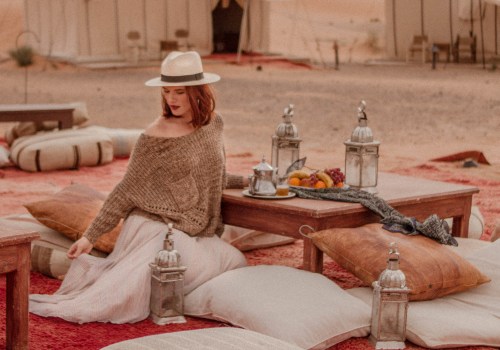
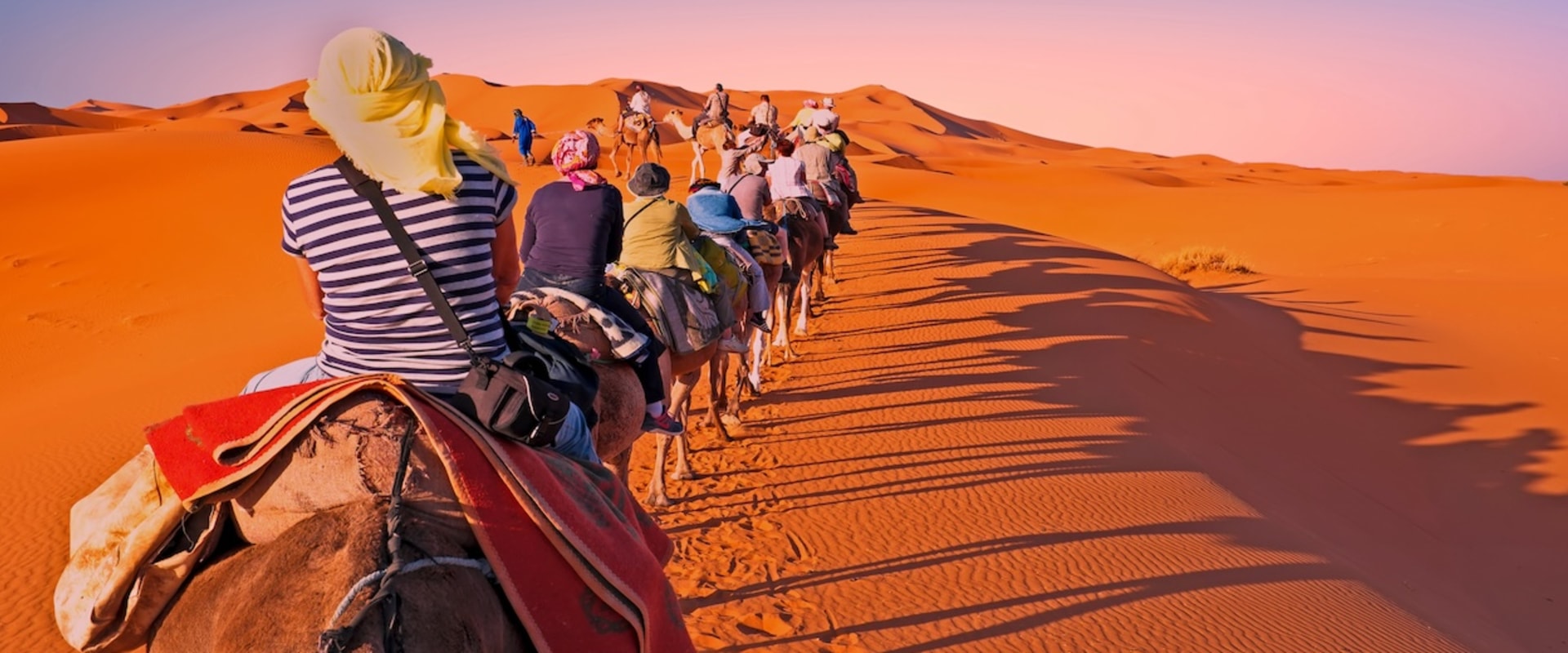
As you ride atop your camel, you’ll witness breathtaking sunsets that paint the sky in hues of orange and pink, creating a magical atmosphere that is hard to forget. Moreover, spending a night in a traditional desert camp under a blanket of stars is an experience that encapsulates the essence of Moroccan adventure. Here, you can enjoy traditional meals prepared by local chefs while listening to stories shared around a campfire. This intimate setting fosters connections with fellow travelers and locals alike. The natural beauty of Morocco extends beyond just mountains and deserts; it includes diverse ecosystems ranging from coastal areas to fertile plains. Each landscape offers its own unique charm and opportunities for cultural exchange.
Whether you’re exploring the vibrant markets in Marrakech or visiting ancient kasbahs nestled in the valleys, every corner of Morocco invites you to discover its rich heritage. In summary, the allure of Moroccan landscapes lies not only in their stunning visuals but also in their ability to enhance your safari experience. By immersing yourself in these natural wonders, you open doors to adventure and cultural interactions that will leave lasting memories.
Camel Trekking: A Unique Adventure
Camel trekking in Morocco is not just a means of transportation; it is an immersive experience that connects travelers with the rich cultural tapestry of this North African nation. As you embark on a camel trek, you will find yourself traversing some of the most stunning landscapes, from the rugged Atlas Mountains to the vast expanses of the Sahara Desert. One of the most popular routes for camel trekking is through the Sahara Desert, where the golden sand dunes stretch as far as the eye can see. This unique environment offers a serene backdrop for your adventure, allowing you to disconnect from the hustle and bustle of modern life.The experience begins with a warm welcome from local camel herders, who have been guiding travelers through these arid landscapes for generations. Their knowledge of the terrain and its history adds depth to your journey. During your trek, you will have the opportunity to engage with these herders, learning about their daily lives and traditions. They often share stories about their ancestors and the significance of camels in Moroccan culture. Camels are not only vital for transportation but also symbolize resilience and adaptability in harsh environments. As you ride atop your camel, you will witness breathtaking sunrises and sunsets that paint the desert sky in vibrant hues.
The rhythmic swaying of the camel creates a meditative experience, allowing you to reflect on your surroundings and appreciate the beauty of nature. Many treks also include stops at traditional Berber camps, where you can enjoy authentic Moroccan meals prepared over an open fire. For those seeking a deeper cultural experience, some tours offer opportunities to participate in local customs, such as traditional music sessions or craft-making workshops. These interactions enrich your understanding of Moroccan heritage and foster connections with the people you meet along the way. In conclusion, camel trekking in Morocco is more than just an adventure; it is a journey into the heart of a culture that values hospitality, tradition, and connection to nature. Whether you are navigating through the Sahara or exploring lesser-known trails in the Atlas Mountains, each trek promises unforgettable memories and insights into the lives of those who call this beautiful country home.
Immersive Cultural Experiences with Locals
Engaging with local communities is one of the most rewarding aspects of traveling in Morocco.By immersing yourself in the daily lives of Moroccans, you can gain a profound understanding of their rich culture and traditions. Here are some of the best ways to experience authentic Moroccan life.
Homestays: A Window into Daily Life
One of the most enriching experiences you can have in Morocco is staying with a local family through a homestay program. This unique opportunity allows you to live alongside Moroccans, sharing meals and participating in their daily routines. During your stay, you might:- Help prepare traditional dishes, learning about the ingredients and cooking techniques that define Moroccan cuisine.
- Participate in local customs, such as tea ceremonies, which are an essential part of Moroccan hospitality.
- Engage in community activities, from farming to artisan crafts, providing insight into the local economy and lifestyle.
Cooking Classes: Culinary Adventures
If you have a passion for food, taking a cooking class is an excellent way to dive deeper into Moroccan culture.Many local chefs offer classes where you can:
- Visit local markets to select fresh ingredients, learning about the spices and produce that are staples in Moroccan cooking.
- Master the art of making iconic dishes like tagine and couscous, guided by experienced cooks who share their family recipes.
- Enjoy the fruits of your labor by sharing a meal with your classmates and instructors, often accompanied by stories about the cultural significance of each dish.
Participating in Local Traditions
To truly understand Moroccan culture, participating in local traditions is essential. Whether it’s attending a wedding or joining in on a festival, these events provide a vibrant glimpse into the heart of Moroccan life. You might:- Experience traditional music and dance at local celebrations, where you can join in and learn the steps from locals.
- Take part in religious festivities such as Eid al-Fitr or Eid al-Adha, gaining insight into the spiritual practices that shape daily life.
- Visit artisan workshops where craftsmen create beautiful pottery, textiles, or jewelry, allowing you to appreciate the skills passed down through generations.
Culinary Delights: Tasting Moroccan Cuisine
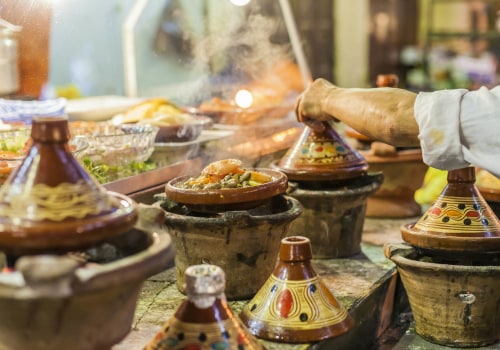
When it comes to exploring the rich tapestry of Moroccan culture, few experiences are as rewarding as indulging in its culinary delights. Moroccan cuisine is a vibrant fusion of flavors, colors, and aromas that reflect the country’s diverse history and cultural influences.From the bustling souks of Marrakech to the serene coastal towns, food plays a central role in daily life and social gatherings, making it an essential aspect of your cultural safari adventure. One of the most iconic dishes you must try is the tagine. This slow-cooked stew is named after the earthenware pot in which it is prepared. Tagines can be made with a variety of ingredients, including lamb, chicken, fish, and an array of vegetables. The cooking process allows the flavors to meld beautifully, resulting in a tender and aromatic dish that is often served with bread or couscous.
Each region in Morocco has its own unique take on tagine, so be sure to sample different varieties during your travels.
Couscous
is another staple of Moroccan cuisine that deserves special mention. Traditionally served on Fridays as a family meal, couscous is made from steamed semolina grains and can be topped with vegetables, meat, or a rich broth. The dish is not only filling but also symbolizes community and togetherness, as it is often shared among family and friends.
For those looking to dive deeper into Moroccan culinary traditions, consider participating in a cooking class. Many local chefs offer hands-on experiences where you can learn to prepare traditional dishes using fresh ingredients from local markets.
This not only enhances your cooking skills but also provides insight into the significance of each ingredient and cooking technique. Street food is another exciting way to experience Moroccan cuisine authentically. As you wander through the vibrant markets, you’ll encounter an array of tempting snacks such as briouats (savory pastries filled with meat or cheese) and chebakia (sweet sesame cookies coated in honey). Sampling these treats while mingling with locals adds an extra layer of immersion to your culinary journey. Finally, don’t miss out on the opportunity to enjoy a traditional Moroccan meal in a local home. Many families open their doors to travelers for an authentic dining experience where you can savor homemade dishes while engaging in meaningful conversations about culture and traditions.
This intimate setting allows for a deeper understanding of Moroccan hospitality and culinary heritage. In conclusion, tasting Moroccan cuisine is not just about satisfying your palate; it’s about connecting with the heart and soul of the country. From tagines and couscous to street food adventures and home-cooked meals, every bite tells a story that enriches your cultural safari experience in Morocco.
Traditional Music and Dance: A Cultural Showcase
Morocco is a land where the rhythms of life are deeply intertwined with its rich musical heritage and vibrant dance traditions. The country’s music is a captivating blend of various influences, including Arab, Berber, and African sounds, creating a unique auditory experience that reflects its diverse cultural tapestry.Experiencing Moroccan Music
To truly appreciate Moroccan music, one must immerse themselves in its various forms. Traditional genres such as gnawa, chaabi, and andalusian music offer a glimpse into the soul of Moroccan culture.
Gnawa music, characterized by its hypnotic rhythms and spiritual themes, is often performed during festivals and ceremonies, inviting listeners to connect with their roots.
One of the best places to experience this vibrant music scene is in the bustling streets of Marrakech, particularly at the famous Djemaa el-Fna square. As the sun sets, the square transforms into a lively hub filled with musicians, storytellers, and performers. Here, you can witness traditional musicians playing instruments like the guembri (a three-stringed bass) and the krakebs (metal castanets), creating an atmosphere that is both enchanting and exhilarating.
The Role of Dance in Moroccan Culture
Dance is another essential aspect of Moroccan culture that complements its music. Traditional dance performances are not merely entertainment; they are a celebration of community and heritage.
Styles such as ahidous, performed by Berber communities, feature intricate footwork and group formations that symbolize unity and joy.
If you’re eager to participate, many cultural festivals throughout Morocco provide opportunities for visitors to join in on the dancing. Events like the Festival of World Sacred Music in Fez showcase a variety of performances from local and international artists, allowing you to experience the fusion of different cultural expressions.
Cultural Festivals: A Gateway to Tradition
Cultural festivals are an excellent way to dive deeper into Morocco's musical and dance traditions. The annual Marrakech Popular Arts Festival , for instance, features a plethora of performances ranging from traditional folk dances to contemporary interpretations. These events not only highlight Morocco's artistic diversity but also foster a sense of community among participants and spectators alike.
In conclusion, engaging with Moroccan music and dance is an enriching experience that allows travelers to connect with the heart of this vibrant culture.
Whether you find yourself swaying to the rhythms in Djemaa el-Fna or participating in a local festival, these cultural showcases will leave you with lasting memories and a deeper appreciation for Morocco's artistic heritage.
Exploring Historical Sites and Museums
Morocco is a treasure trove of historical sites and museums that reflect its rich cultural heritage and diverse history. Exploring these locations is essential for anyone looking to gain a deeper understanding of the country’s past and its influence on contemporary Moroccan society. One of the most significant historical sites is the Medina of Marrakech , a UNESCO World Heritage site. This vibrant area is filled with narrow winding streets, bustling souks, and stunning architecture that dates back to the 11th century. Visitors can explore the iconic Koutoubia Mosque, which stands as a symbol of Marrakech, and the beautiful Bahia Palace, known for its intricate tile work and lush gardens. Another must-visit location is the Roman ruins of Volubilis , located near Meknes.This archaeological site showcases well-preserved mosaics and remnants of ancient Roman architecture, providing insight into Morocco's history during Roman rule. Walking through the ruins, you can almost hear the echoes of the past as you imagine life in this once-thriving city. The Kasbah of Ait Ben Haddou , also a UNESCO World Heritage site, is another highlight. This fortified village, made famous by its appearances in films like Gladiator and Game of Thrones, offers a glimpse into traditional Moroccan earthen clay architecture. The kasbah is not only visually stunning but also serves as a reminder of the region's historical significance as a caravan stop along the ancient trade routes. For those interested in museums, the Dar Si Said Museum in Marrakech is a fantastic place to learn about Moroccan arts and crafts.
Housed in a beautiful 19th-century palace, this museum features an extensive collection of traditional textiles, jewelry, and pottery that highlight Morocco's artistic heritage. The Museum of Moroccan Judaism in Casablanca is another unique destination that explores the history and culture of Jews in Morocco. This museum provides valuable insights into the coexistence of different cultures within Moroccan society and showcases artifacts that tell the story of Jewish life in the region. In addition to these sites, numerous festivals throughout the year celebrate Morocco's rich cultural tapestry. Events such as the Marrakech International Film Festival and the Fez Festival of World Sacred Music offer visitors an opportunity to engage with local traditions while enjoying performances from artists around the globe. In conclusion, exploring historical sites and museums in Morocco is an enriching experience that enhances your cultural safari adventure. These locations not only showcase Morocco's architectural beauty but also provide a deeper understanding of its diverse heritage.
So make sure to include these remarkable sites in your travel itinerary for an unforgettable journey through time.
Festivals and Events: Celebrating Moroccan Culture
Morocco is a country rich in traditions and cultural heritage, and its festivals and events are a vibrant reflection of this diversity. Throughout the year, various celebrations take place, offering travelers a unique opportunity to engage with the local culture and experience the warmth of Moroccan hospitality. One of the most significant festivals in Morocco is Eid al-Fitr , which marks the end of Ramadan. This joyous occasion is celebrated with family gatherings, feasting, and giving to those in need. Visitors can witness the festive atmosphere as streets come alive with decorations, and locals don their finest attire.Participating in these celebrations provides insight into the importance of community and generosity in Moroccan culture. Another notable event is the Marrakech Popular Arts Festival , held annually in July. This festival showcases traditional Moroccan music, dance, and crafts, attracting artists from across the country. The vibrant performances take place in the historic Djemaa el-Fna square, where visitors can enjoy live music, acrobatics, and storytelling. Engaging with local artisans during this festival allows travelers to appreciate the rich artistic heritage of Morocco. The Gnaoua World Music Festival , held in Essaouira every June, is a celebration of Gnaoua music—a genre that blends African, Berber, and Arabic influences.
This festival not only features performances by renowned musicians but also offers workshops where attendees can learn about traditional instruments and rhythms. The lively atmosphere and cultural exchange make it a must-visit for music lovers. For those interested in culinary traditions, the Marrakech Food Festival is an excellent opportunity to explore Moroccan cuisine. Held in October, this festival brings together chefs from around the world to showcase their culinary skills through cooking demonstrations and tastings. Visitors can indulge in local delicacies while learning about the spices and techniques that define Moroccan cooking. In addition to these major events, numerous local celebrations occur throughout the year, often tied to agricultural cycles or religious observances.
These smaller festivals provide an authentic glimpse into daily life in Morocco. Travelers are encouraged to participate in these local festivities to foster connections with residents and gain a deeper understanding of their customs. In conclusion, Morocco's festivals and events are not just occasions for celebration; they are gateways to understanding the country's rich cultural tapestry. By immersing yourself in these vibrant experiences, you will create lasting memories while honoring the traditions that make Morocco truly unique.
Practical Tips for Your Cultural Safari Adventure
Planning a cultural safari adventure in Morocco can be an exhilarating experience, but it also requires careful consideration to ensure a smooth journey. Here are some practical tips to help you navigate your trip effectively.Transportation Tips
Getting around Morocco can be an adventure in itself.Here are some transportation options to consider:
- Public Transport: Buses and trains are widely available and can be a cost-effective way to travel between cities. The ONCF train service connects major cities like Casablanca, Marrakech, and Fez.
- Private Transfers: For a more comfortable experience, consider hiring a private driver or booking a guided tour. This allows for flexibility in your itinerary and the opportunity to stop at local attractions along the way.
-
Local Taxis: In cities, taxis are readily available. Opt for the "petit taxi" for short distances within urban areas.
Always agree on a fare before starting your journey.
Understanding Local Etiquette
Moroccan culture is rich in traditions and customs, and being aware of local etiquette can enhance your interactions with locals:- Greetings: A warm greeting is essential. A simple "Salam Alaikum" (peace be upon you) is appreciated. Handshakes are common among men, while women may prefer a nod or smile.
- Dressing Modestly: While Morocco is relatively liberal compared to some neighboring countries, dressing modestly shows respect for local customs. Women should consider wearing long skirts or pants and covering their shoulders.
-
Dining Etiquette: When invited to a local's home, it’s customary to bring a small gift, such as sweets or fruit.
Always wait for the host to start eating before you dig in.
Safety Considerations
Your safety is paramount while traveling. Here are some tips to keep in mind:- Stay Aware: Be mindful of your surroundings, especially in crowded areas. Keep your belongings secure and avoid displaying valuables.
- Emergency Contacts: Familiarize yourself with local emergency numbers and have the contact information of your country's embassy handy.
- Health Precautions: Drink bottled water and be cautious with street food to avoid stomach issues. It’s advisable to have travel insurance that covers health emergencies.
Maximizing Cultural Interactions
To truly immerse yourself in Moroccan culture, consider these strategies:-
Participate in Local Events: Check local calendars for festivals or events during your visit.
Engaging in these activities provides insight into Moroccan traditions.
- Cultural Workshops: Look for opportunities to take part in cooking classes, pottery workshops, or traditional music sessions. These experiences foster connections with locals and deepen your understanding of their culture.
- Learn Basic Arabic Phrases: Knowing a few words in Arabic or Berber can go a long way in building rapport with locals. Simple phrases like "Shukran" (thank you) can make interactions more meaningful.
Conclusion: Embracing the Spirit of Morocco
As we conclude our exploration of Morocco, it becomes clear that a cultural safari in this enchanting country transcends mere sightseeing.It is an invitation to engage deeply with the rich tapestry of Moroccan life, where every interaction and experience contributes to a greater understanding of its vibrant culture. Throughout this journey, we have highlighted the importance of connecting with local communities. Whether it’s through the rhythmic beats of traditional music, the aromatic allure of Moroccan cuisine, or the breathtaking landscapes encountered during camel trekking, each element serves as a gateway to understanding the heart and soul of Morocco. Participating in daily activities with locals not only enriches your travel experience but also fosters meaningful relationships. These connections allow travelers to witness firsthand the customs and traditions that define Moroccan identity. From sharing meals with families to learning about age-old crafts, these moments create lasting memories and a profound appreciation for the culture. Moreover, immersing yourself in local traditions enhances your journey by providing context to the sights you see.
Visiting museums and historical sites offers insights into Morocco's past, while festivals and events showcase the living culture that thrives today. Each experience is a thread woven into the larger narrative of what it means to be Moroccan. In essence, embracing the spirit of Morocco means recognizing that travel is not just about visiting new places; it’s about forming connections that transcend borders. It’s about understanding that every smile exchanged, every story shared, and every dish savored contributes to a richer narrative of humanity. As you plan your own Morocco safari travel, remember that the true essence of this journey lies in your willingness to engage with its people and their stories. So pack your bags with an open heart and mind, ready to embrace all that Morocco has to offer.
Your adventure awaits!.